Visible Leaks and Water Stains
A water stain on the ceiling, water pooling in corners, or a visible drip during rain is your clearest sign something is wrong. Professional help is usually necessary to find the actual leak source.
You have looked at the roof. You have seen the damage, checked the gutters, read everything online. But somewhere in that research, a question emerges: Do I need to hire someone for this? We have stood in that spot. Sometimes the answer is yes immediately. Sometimes it is not, but you need to know how to tell the difference.
The decision to hire a roofer is not about being brave or lazy — it is about knowing which problems get worse if you wait.
A roof problem left alone rarely stays small. Water finds cracks; cracks become leaks; leaks become rot. The question is not whether to fix it, but whether you should fix it yourself or call someone trained to see what you might miss. Here is how to think through that choice.
Before you contact a contractor, you should know what "fixed" actually looks like. A proper roof repair or replacement leaves no water paths, no loose shingles, and no shortcuts taken where they matter most.
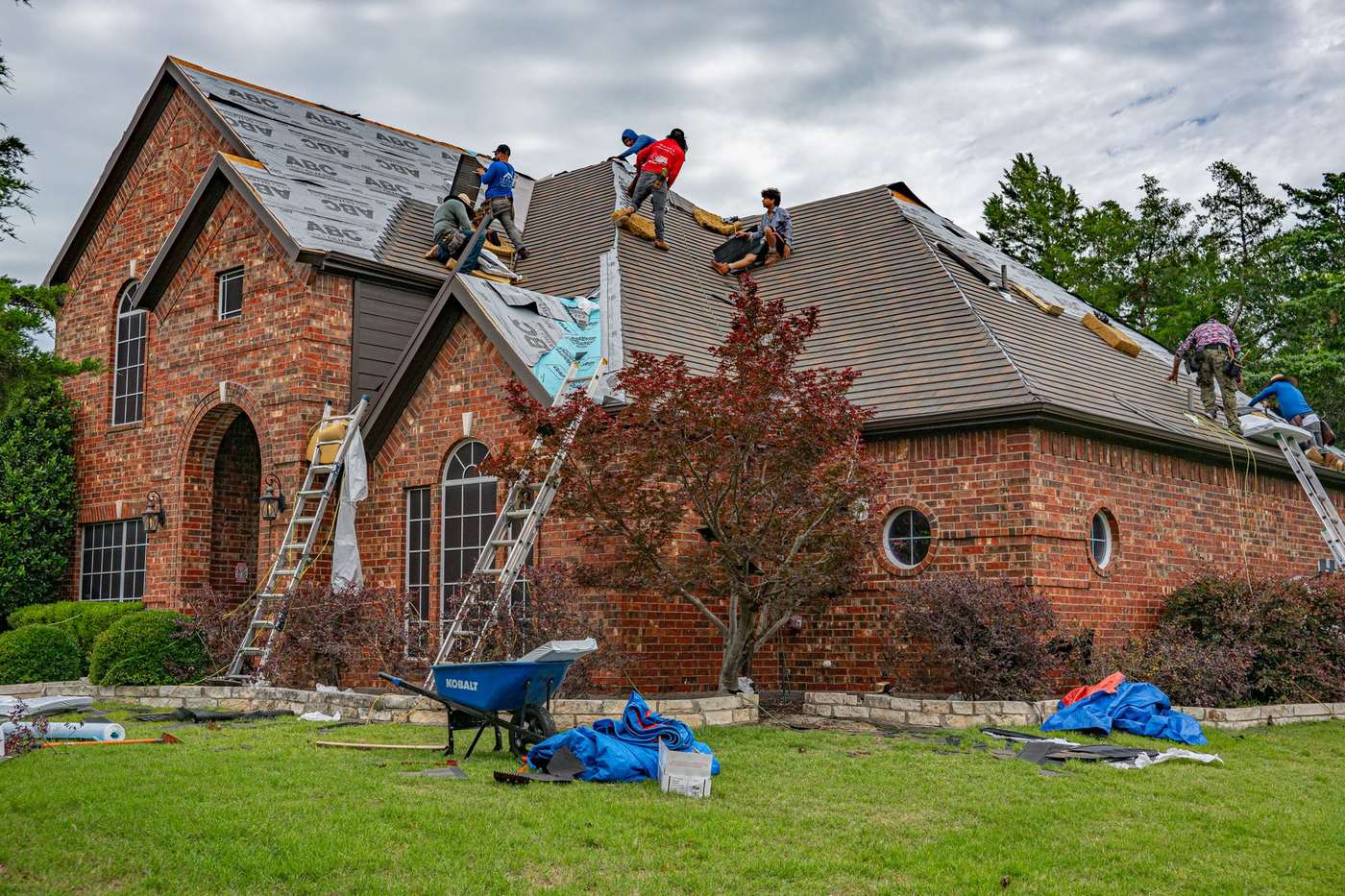
Not all roof problems are equal. Understanding what type of problem you have helps you decide whether professional help is worth calling, or whether it is worth trying first.
A water stain on the ceiling, water pooling in corners, or a visible drip during rain is your clearest sign something is wrong. Professional help is usually necessary to find the actual leak source.
Wind, storms, or old age can lift or tear shingles. A handful of missing shingles might be a DIY repair. Large areas or shingles that keep lifting suggest a deeper problem.
Gutters that sag, drip, or pull away from the fascia; flashing around chimneys and vents that separates or rusts — these are the most common places leaks start, and they require precision work.
If your gutters fill with granules or your downspouts clog with roof debris, your shingles are failing. A roof over 20 years old showing this sign is usually at the end of its life.
Once you have decided that professional help is needed, you need to know which contractor to hire. These questions separate the professionals from the ones just looking for a quick job.
Roof work costs vary widely based on roof size, pitch, materials, and location. A small repair might cost just a few hundred dollars, while a full roof replacement can run into the tens of thousands. The price also depends on whether the contractor has to remove old materials and deal with underlying damage.
Labor usually accounts for half to two-thirds of the cost. A good crew working carefully costs more per day than a crew rushing through jobs, but the difference is visible in how long the roof lasts.
Materials matter too. A cheap shingle replacement looks fine for a year, then starts failing at year five. Better materials cost more upfront but last longer and handle weather better. We have learned not to pick contractors by the lowest bid alone — we pick them by whether they explain the cost difference between a patch and a real fix.
Most contractors will give free estimates, so get at least two or three before deciding. A price that seems too low usually means the contractor plans to cut corners. A price that seems too high might mean they are including work or warranty you did not ask for.

This interview with roofing experts walks through the decision between repairing an existing roof and replacing it entirely — one of the biggest choices you will make about your home: