Skip to content

Budgeting for Roof Work

The first question every homeowner asks a roofer is some version of "How much is this going to cost?" The honest answer is that it depends on more variables than you would think. A repair on one side of your roof might cost half of what the same work costs on the other side, depending on pitch, access, and what else needs to be done while someone is up there anyway. Before you call anyone, here is what to budget for and where most homeowners run into surprises.

The most expensive roof repair is the one you skip because the estimate was higher than you expected, and then discover it has gotten worse while you were waiting for the price to seem more reasonable.

Where the Money Actually Goes

The Details You Need to Know

Roofing is usually quoted by the square — that is, one hundred square feet of surface. Because the slope of your roof means the actual size on the ground is smaller than the size on the roof itself, a house that is forty feet by fifty feet does not have a twenty-hundred-square-foot roof. A shallow pitch makes the difference smaller, a steep pitch makes it larger. Any reputable contractor will calculate this for you and show you the math.

The material quality splits into three tiers: budget shingles (twenty-year warranty, about five dollars per square), mid-range shingles (thirty-year warranty, about seven to nine dollars per square), and premium (fifty-year warranty or architectural styles, ten to fifteen dollars per square). Those numbers cascade — a premium shingle roof on a two-thousand-square-foot house at fifteen dollars per square is fifteen thousand dollars in material alone. Then labor.

The single biggest variable is whether this is a repair or a replacement. A repair that patches a section of flashing costs between three hundred and eight hundred dollars and takes a day. A full replacement that strips everything down to the decking and starts over costs six to fifteen thousand dollars depending on roof size, pitch, and material choice. Some contractors offer partial replacements when only one side of the roof is damaged — ask about this option if you are trying to spread the cost across more than one year.
What Replacement Looks Like

If you have decided on a full replacement, understanding the sequence of work helps you know what to expect and why different stages take different amounts of time. The first day or two is usually removal — tearing off everything down to the decking. Then comes inspection of that decking (often where surprises emerge, if any rot or water damage was hidden under the old roof). Finally, installation of new layers in reverse order: underlayment, shingles, flashing, gutters if they are being replaced too.

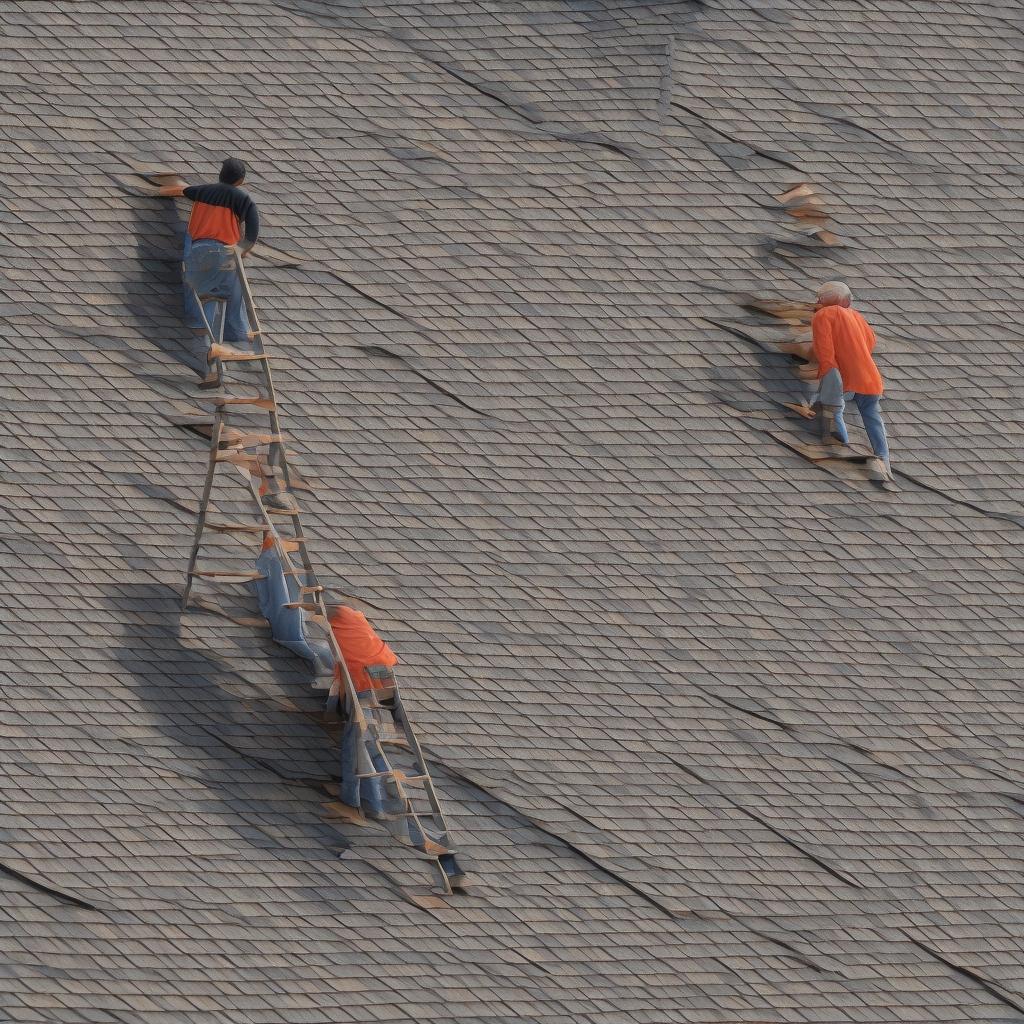
Professional roofing team installing new roof shingles on residential home
A full replacement team follows a strict sequence, with each stage inspected before the next one begins. The work looks chaotic from the ground, but that is normal.
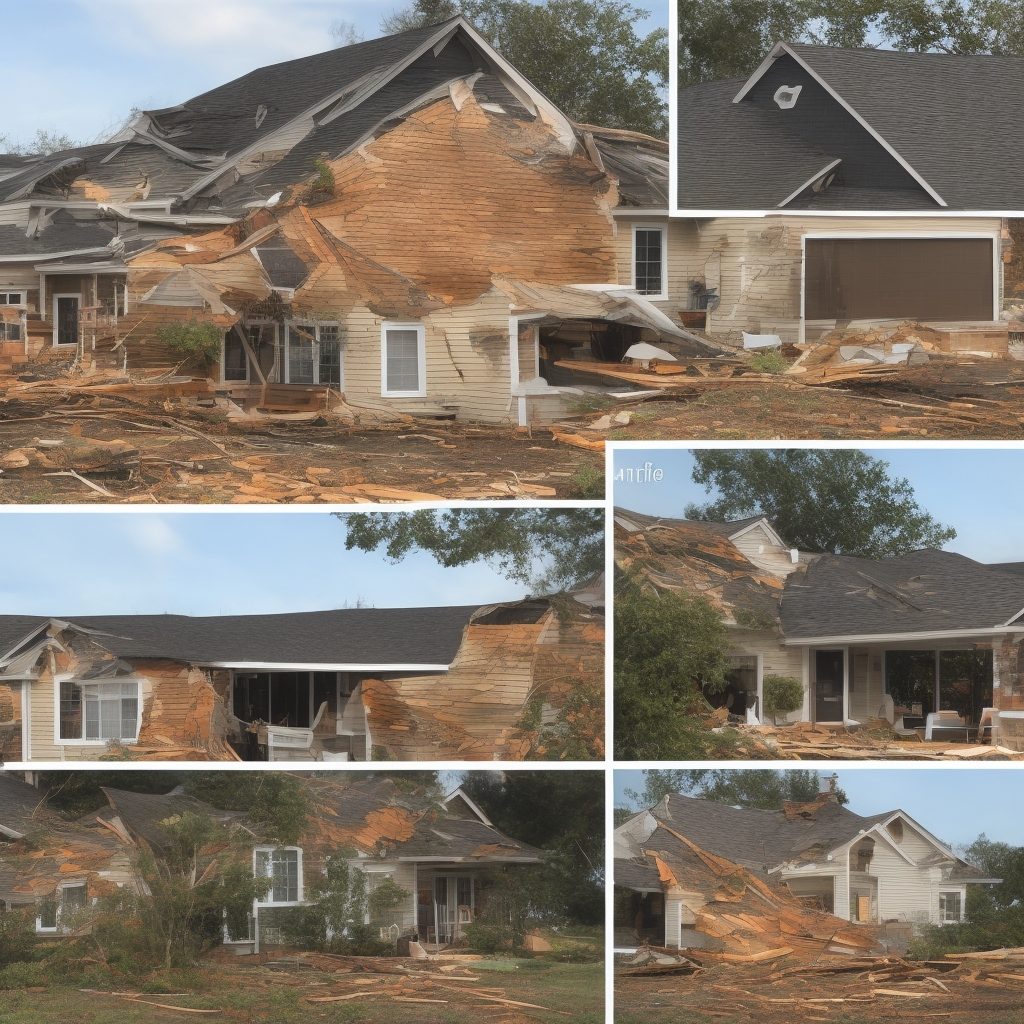
Before and after roof comparison with storm damage on left and restored shingles on right
Roof damage from storms often looks more severe than the cost to repair it. A professional assessment tells you whether patching a section is enough or whether a full replacement makes more sense long-term.