Inspection cadence
Twice per year — once in spring to clear winter debris and assess weather damage, and once in fall to prepare gutters for leaf season. After severe weather, add a check immediately.
Most homeowners do not need a professional tool kit to maintain their roof or spot problems before they become expensive. A focused set of tools — measuring devices, safety gear, and a couple of inspection pieces — gets you where you need to be for twice-yearly checks and the troubleshooting that comes before calling someone in. What separates a useful inspection from a dangerous one is less about fancy equipment and more about understanding what you are looking at and respecting the height.
The right tool for roof maintenance is a honest answer to what you can safely assess from ground level, and which problems demand someone with a license and a harness.
Twice per year — once in spring to clear winter debris and assess weather damage, and once in fall to prepare gutters for leaf season. After severe weather, add a check immediately.
A basic toolkit runs $80 to $150: tape measure, level, binoculars, flashlight, and mirror. The real cost is in a good ladder and appropriate footwear, which are worth the investment whether you use them for the roof or not.
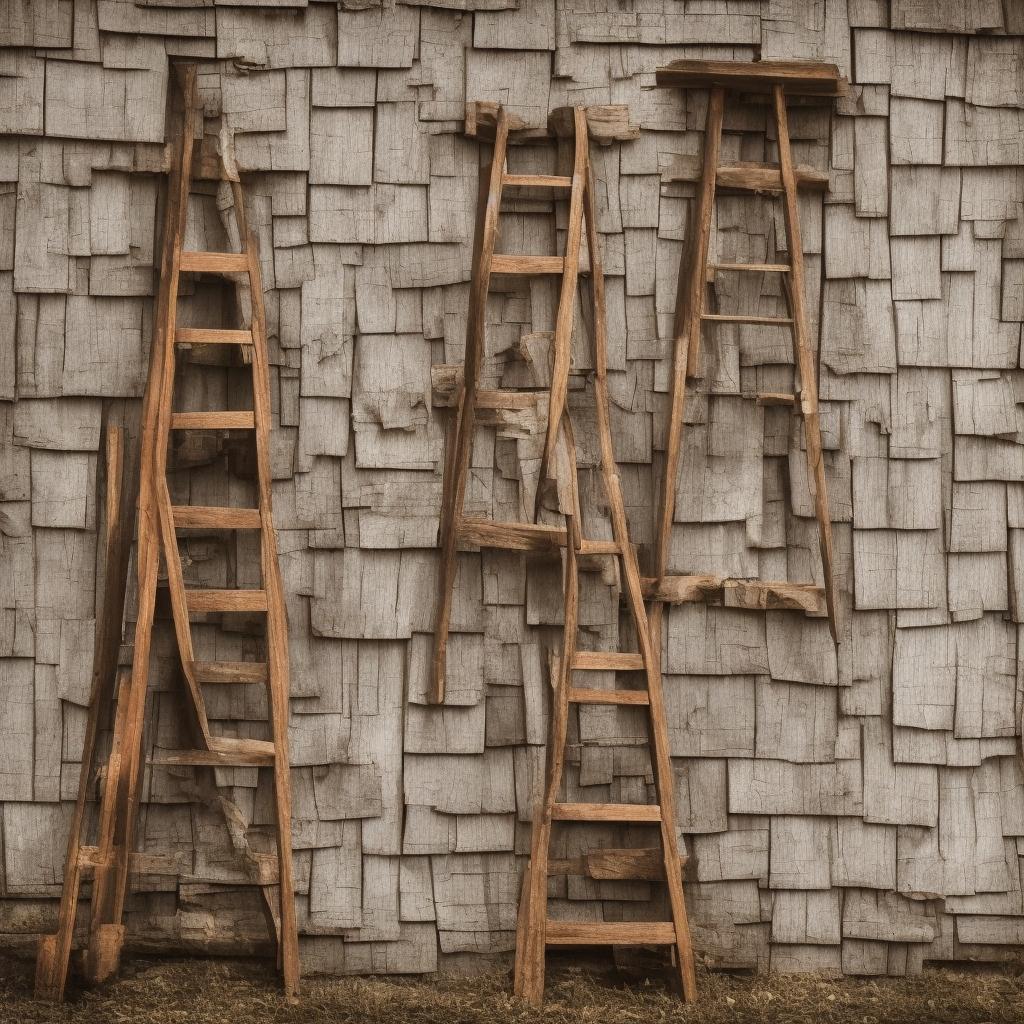
Set the ladder at a 4:1 angle, one foot out from the wall for every four feet of height to where it rests, and extend it at least 3 feet above the roof edge so you have something to hold as you step on and off. Never lean more than 12 inches to either side from the ladder center.
Gutters should slope 1 inch per 40 feet of run toward the downspout. A 40-foot gutter should be 1 inch higher on one end than the other. Check this with a level and tape measure.