Project Notes: Early Maintenance Is the Difference
Every roof on the market is rated for a lifespan: 20 years, 30 years, sometimes more. But we have lived in four houses and inspected two others we were considering, and we have seen roofs that held up for twelve years and roofs that passed inspection at year twenty-five without a single shingle replacement. The difference was never the brand or the material. The difference was always maintenance.
This sounds obvious until you live it. Most homeowners assume a roof is either fine or it is failing, and the idea of doing something about one that looks perfectly intact feels like unnecessary spending. What we have discovered through projects and repair calls is that roof maintenance is invisible the way a furnace filter is invisible. You do not see the result of changing it; you see only the catastrophe when you do not.
What "Maintenance" Actually Means
It does not mean replacing shingles before they fail. It means keeping the system working as designed. A roof stops working when water gets trapped — in valleys where two slopes meet, under flashing where walls or chimneys stick through, in gutters that are clogged with debris. Maintain those three things and you have bought yourself years.
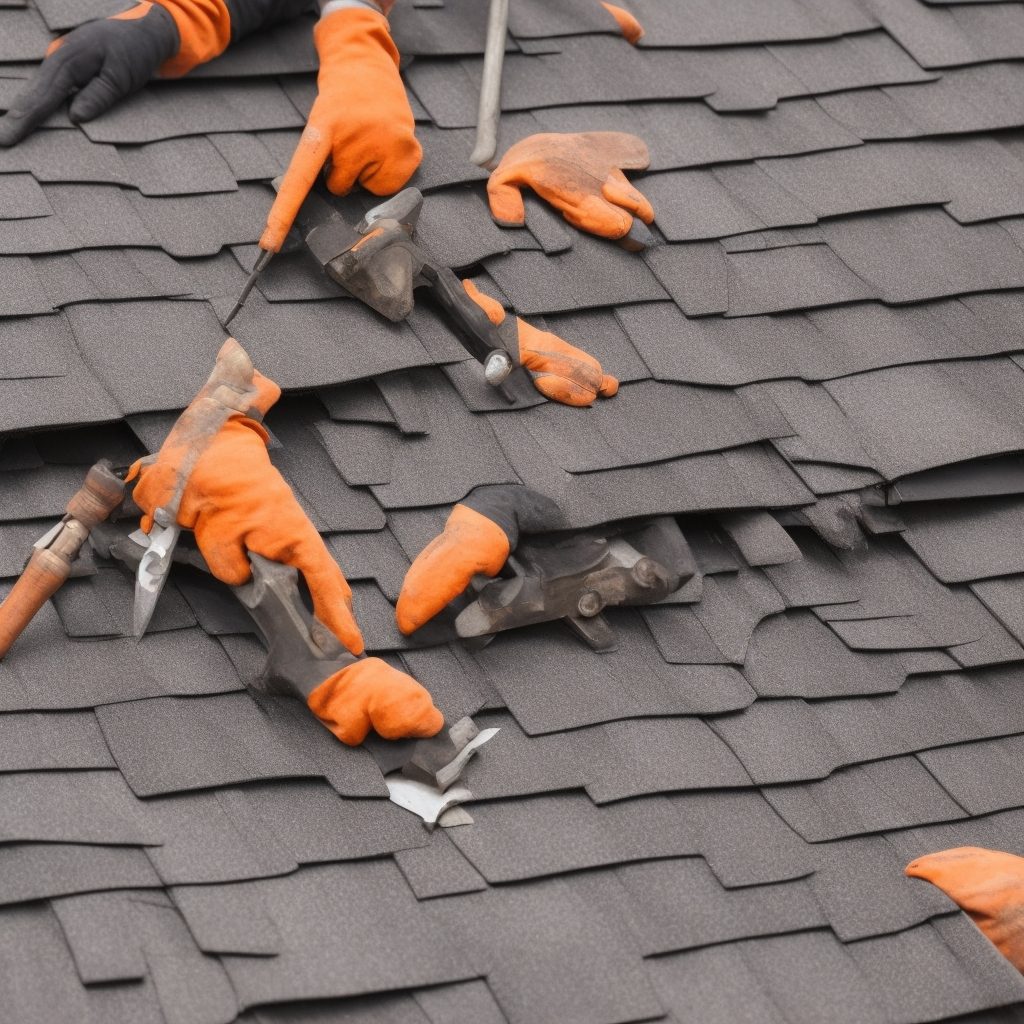
Professional installation technique — the standard your maintenance protects.
Twice a year we get on a ladder with a camera and a notebook. The first time is in fall, after leaves stop falling: clear the gutters, walk the valleys, check the flashing. The second is in spring, after winter, to look for lifted shingles or granule loss in those same spots. When we spot granules, it is not time for a new roof. It is time to think about one in five or ten years. When we find a piece of flashing pulling away from the wall, it is an afternoon with some roofing cement, not an emergency call.
Twenty Years of One Roof, Logged
Year 3: First Sign of Settling
New roofs show some granule loss in the first few years as the coating cures. Walking valleys in year three showed more than we expected. Instead of replacing shingles, we checked whether flashing was tight and gutters were clear, and both were fine. The granule loss slowed after that.
Year 8: The Clogged Valley Trap
A section of roof valley on the north side collects debris despite our cleaning. By year eight, we found standing water there after rain. This is when maintenance becomes urgent. A day with roofing cement to seal a loose flashing piece, plus reinforcing the valley, stopped that problem cold.
Year 15: Checking the Back Edge
The north-facing edge where two slopes meet pulled slightly during the roof's settling. By year fifteen, we had caught this pattern twice in our maintenance logs. A small piece of flashing was lifting. Replacing that flashing took two hours and cost less than one service call.
Year 20: The Real Inspection
At twenty years, we brought in someone who does this professionally. They found zero surprises because our logs showed the exact spots to check. The roof was rated for twenty and they said it could hold to thirty if the same maintenance continued. That is the difference.
Why This Matters for Your House
When we decided our roof needed professional help, we called someone we trusted because we had watched how they handle other jobs. Even if you do not inspect your own roof, you can hire someone to do it twice a year for far less than a rushed replacement. Keep notes. Track the spots that need watching. When you do eventually call a professional to repair or replace, you are calling from a position of knowledge, not panic.
Calling from a position of knowledge means fewer surprises and better outcomes.
A roof is not a problem you have to solve all at once. But it is a system that needs to be watched.
The Roof Replacement Process
When your inspection logs do point to replacement, it helps to know what that actually involves. This video walks through the step-by-step work of a professional roof replacement.