Roofing Cost Guide
An Estimate You Can't Judge
A roofing estimate lands on your desk and you have no way to know if it's fair.
You're not a roofer, so you can't tell if someone charging $8,000 is being reasonable or taking advantage of the fact that you're scared.
Roofing prices vary wildly because material costs, labor rates, and regional markets don't line up the same way everywhere. But the cost structure itself is predictable once you know what you're looking for.
This guide breaks down where the money goes so you can spot an estimate that's out of line with reality.
Five Steps From Inspection to Signed Contract
| Step | What You Do | What You Should See Afterwards |
|---|---|---|
| 1. Get the inspection | Hire a certified inspector or ask a roofer you trust for an evaluation. They climb the roof, check the shingles, gutters, flashing, and ventilation. | A written report describing the roof's condition, remaining lifespan, and what needs fixing now versus what can wait. |
| 2. Get multiple estimates | Contact three to five roofers and ask them to bid on the exact same scope of work. Make sure you're asking each one about the same thing. | Three to five written quotes that list materials, labor, timeline, and warranty. The quotes should be similar in scope, even if prices differ. |
| 3. Compare apples to apples | Line up the estimates side by side. Check that they're all proposing the same shingle grade, the same prep work, and the same warranty terms. | A clear picture of which contractor is offering the best value for the work described—not just the lowest price. |
| 4. Check credentials | Verify that the roofing company is licensed in your state and ask for proof of liability insurance. Check reviews on independent sites. | Confidence that the crew showing up knows what they're doing and won't disappear if something goes wrong. |
| 5. Review the contract | Before signing, read the full contract. Confirm the start date, completion date, warranty length, and cleanup plan. | A signed agreement that both you and the contractor agree on, with no surprises mid-project. |
Six Questions to Put to Every Bidder
- What shingle grade are you proposing, and why is it the right choice for my roof?
- How long will the crew be on my property?
- Does your price include removal of the old roof or just a layer-over?
- What happens if weather stops work mid-project?
- Is the crew you're quoting the same crew that will show up to do the work?
- How many years is the workmanship warranty, and what does it cover?
Typical Prices for a Full Roof or a Repair
- $4,500
- Basic asphalt shingle replacement (1,500–2,000 sq ft home, single story)
- $8,000–$12,000
- Premium shingles or complex roof (multiple levels, difficult access)
- $15,000+
- Metal or slate roofing, or jobs requiring structural repair first
- $1,000–$3,000
- Repair jobs (spot fixes, flashing work, gutter replacement)
Asphalt, Metal, Slate: Cost and Lifespan
| Material | Cost Range | Lifespan | Best For |
|---|---|---|---|
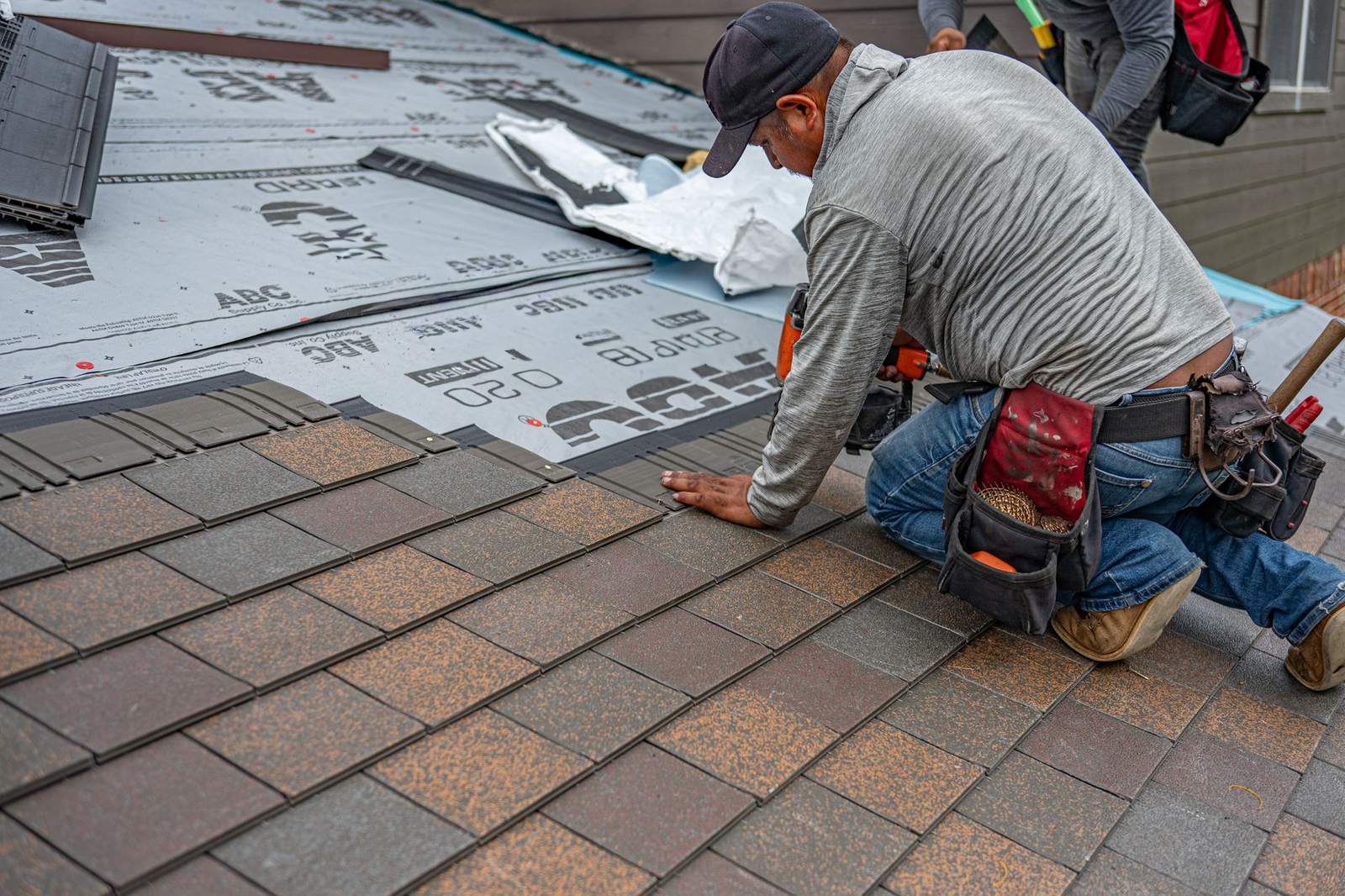
| 3-Tab Asphalt Shingles | $3–$5 per sq ft | 15–20 years | Budget-conscious homeowners, good value for the cost |
| Architectural Asphalt Shingles | $5–$8 per sq ft | 20–25 years | Most homeowners; better appearance and durability |
| Premium / Designer Shingles | $8–$12 per sq ft | 25–30 years | Homes where appearance matters or staying long-term |
| Metal Roofing | $10–$20 per sq ft | 40–70 years | High-wind areas, historic homes, longevity priority |
| Slate or Tile | $15–$35+ per sq ft | 50+ years | High-end homes, areas with severe weather |
| Note: Prices vary by region, material quality, and labor availability. "Per sq ft" means the material only—labor typically runs 40–60% of the material cost. | |||
Know the Scope Before You Compare Prices
Figure out what you actually need before you compare prices.
A repair and a full replacement are different conversations with different price tags.
A complex roof with dormers costs more than a simple rectangle.
An old roof with rotted substrate may need structural work before the new shingles go down.
Once you know what work is actually required, the estimates become much easier to read.
That's when you can spot the real difference between fair pricing and someone trying to take advantage.